ShapeVision Art : Martin Brooks
Welcome to ShapeVision Art — exploring the expressive power of Extreme Vector Graphics® and illuminating Hidden Shapes of Nature®.
Swipe or click picture edge to move to next or previous picture.
Click on picture to see close-up in new tab, then close new tab to continue.
NEWS
Koyman Galleries beautifully framed ShapeVision Art for sale link!
ShapeVision Inc. awarded trademarks for Hidden Shapes of Nature® and Extreme Vector Graphics®.
ShapeVision is printed art.
Please contact me to learn more and to purchase or rent prints.
All ShapeVision Art copyright Martin Brooks 2018-2026.
2026
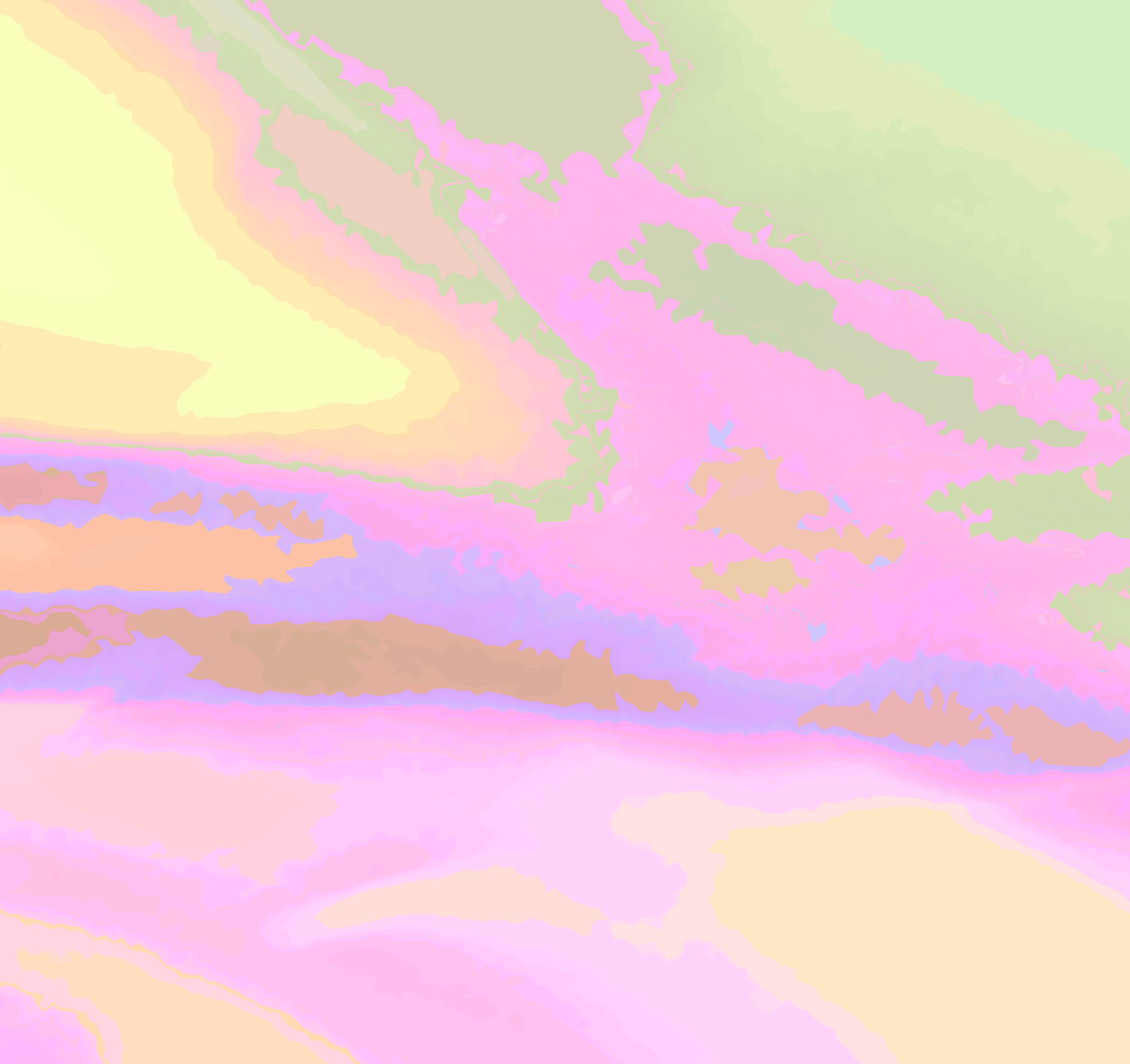
Quiet City
ShapeVision painterly Ottawa seen through traffic cams. Source pictures courtesy City of Ottawa Open Data.
Hidden Shapes of Nature®
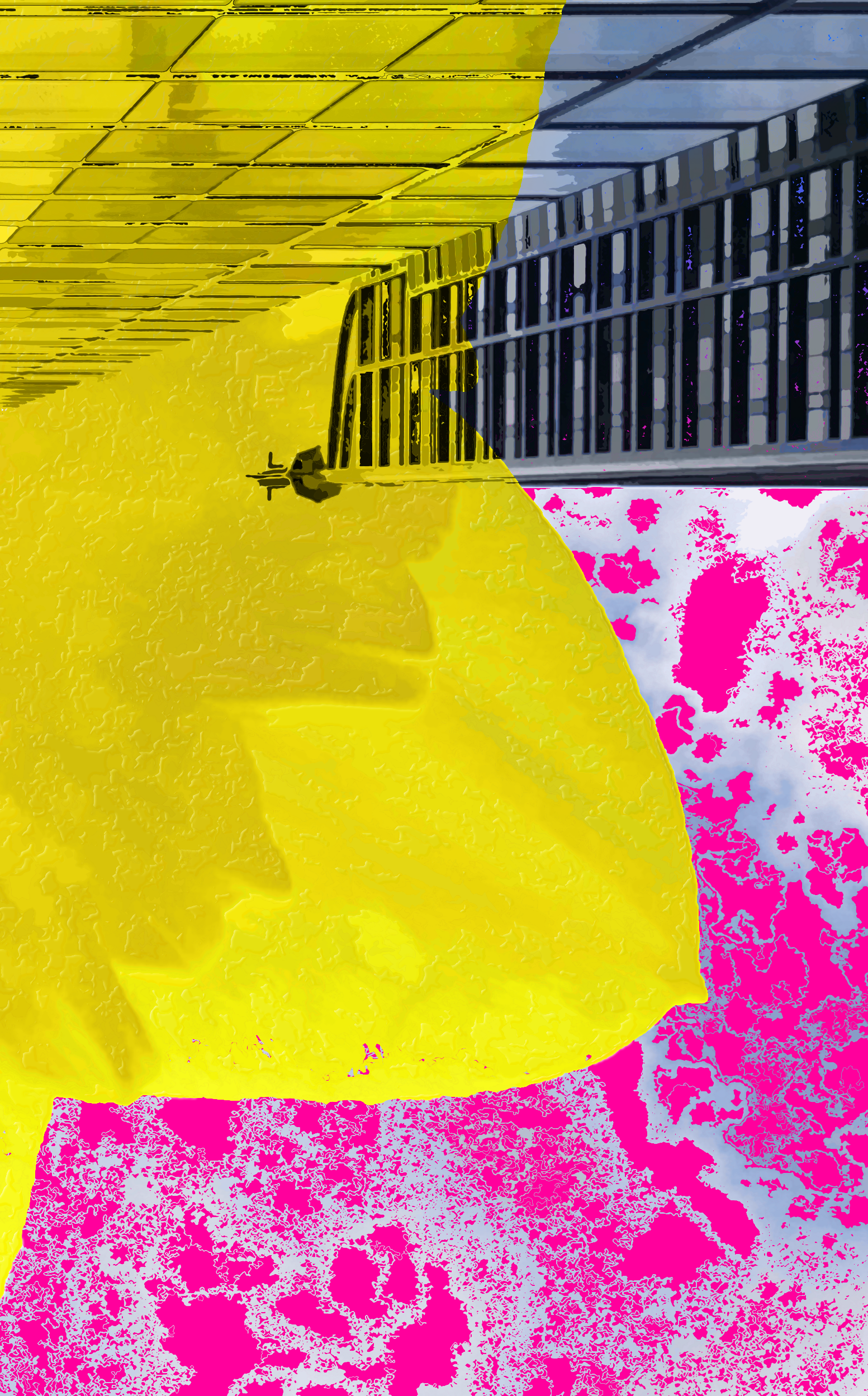
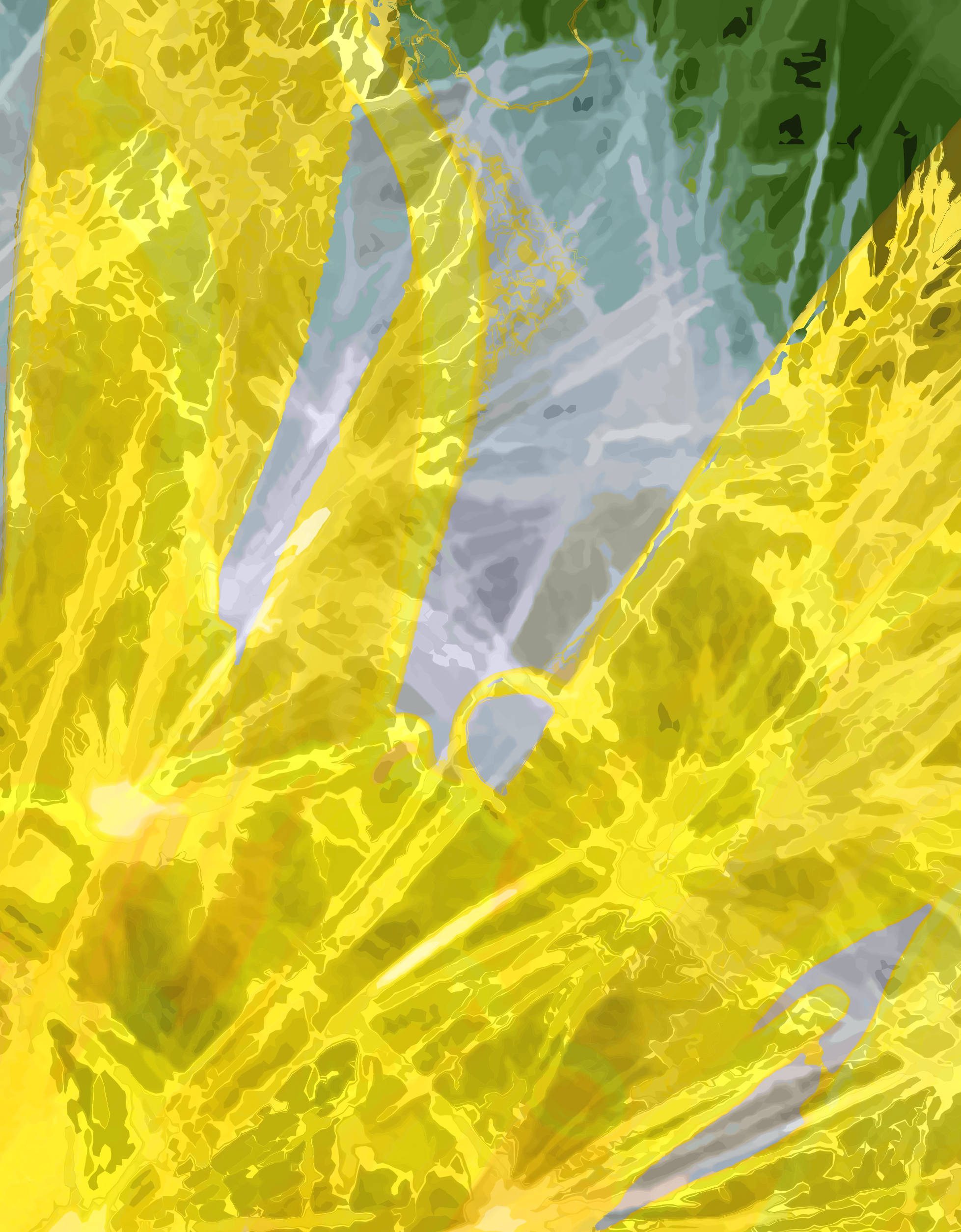
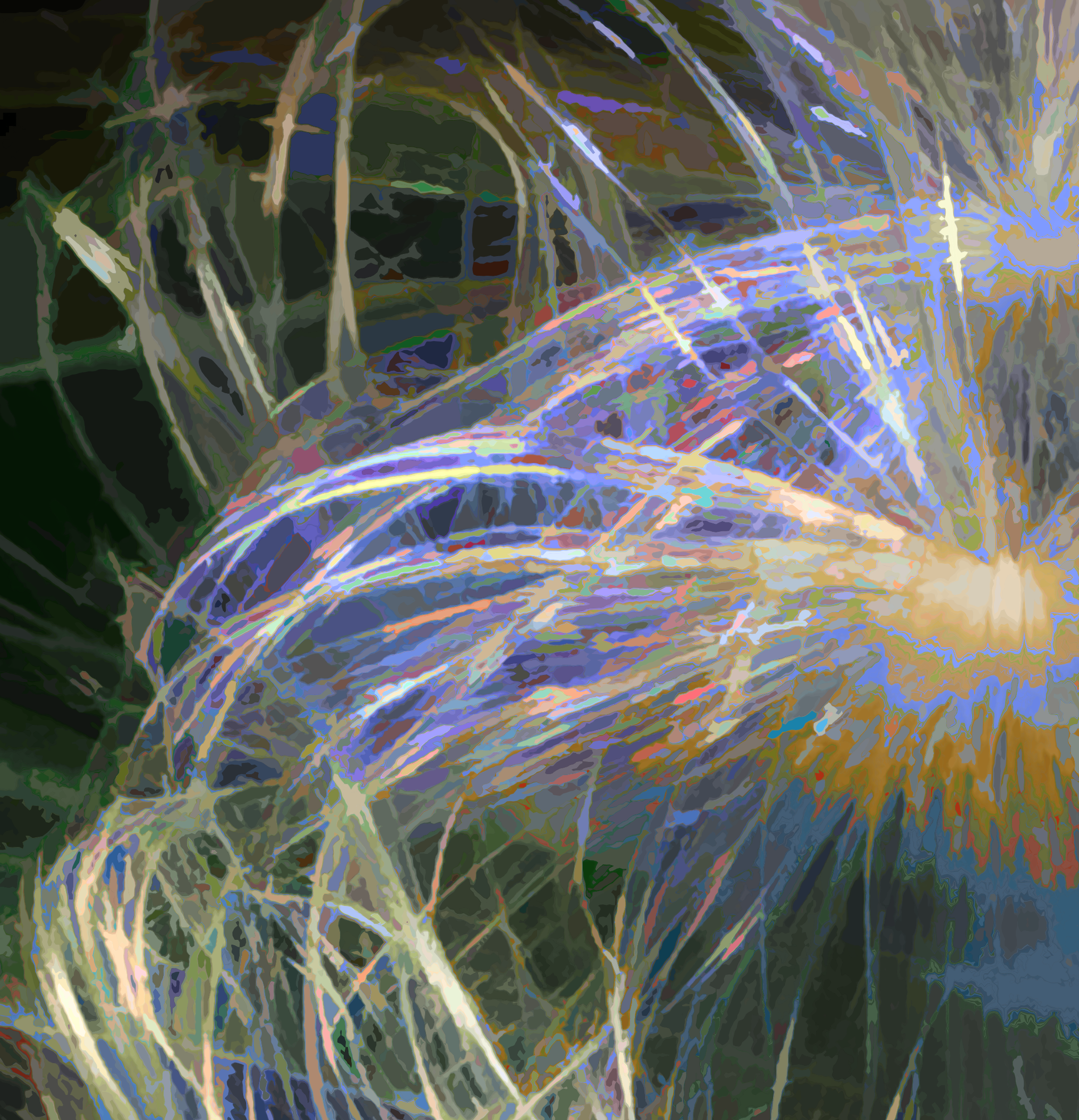
ShapeVision illuminates the fractal geometry of nature.
ShapeVision math seems out of reach to many people (see here if you are curious), but may be easily understood as follows:
The math treats each pixel of a source photo as if it were elevation data for a topographic map, with contour lines of equal brightness. Certain contour lines are selected to appear in the picture as the boundaries of shapes. Each shape has a single colour, determined by the colours of the source image pixels within. The artist controls the transformation from pixels to shapes using software dials and sliders, resulting in a wide range of vector graphics to use in artworks.
ShapeVision is easy to use, but computationally demanding: Photo in, vector graphics out. ShapeVision creates extreme vector graphics, comprising 10,000 - 100,000 shapes, many having thousands of boundary points. Extreme Vector Graphic® is a new artistic medium.
ShapeVision inkjet prints reveal sharp shapes down to printer resolution. Below, see the view of the print surface through a 20x optical microscope; the shape details you see here are barely visible to the naked eye.
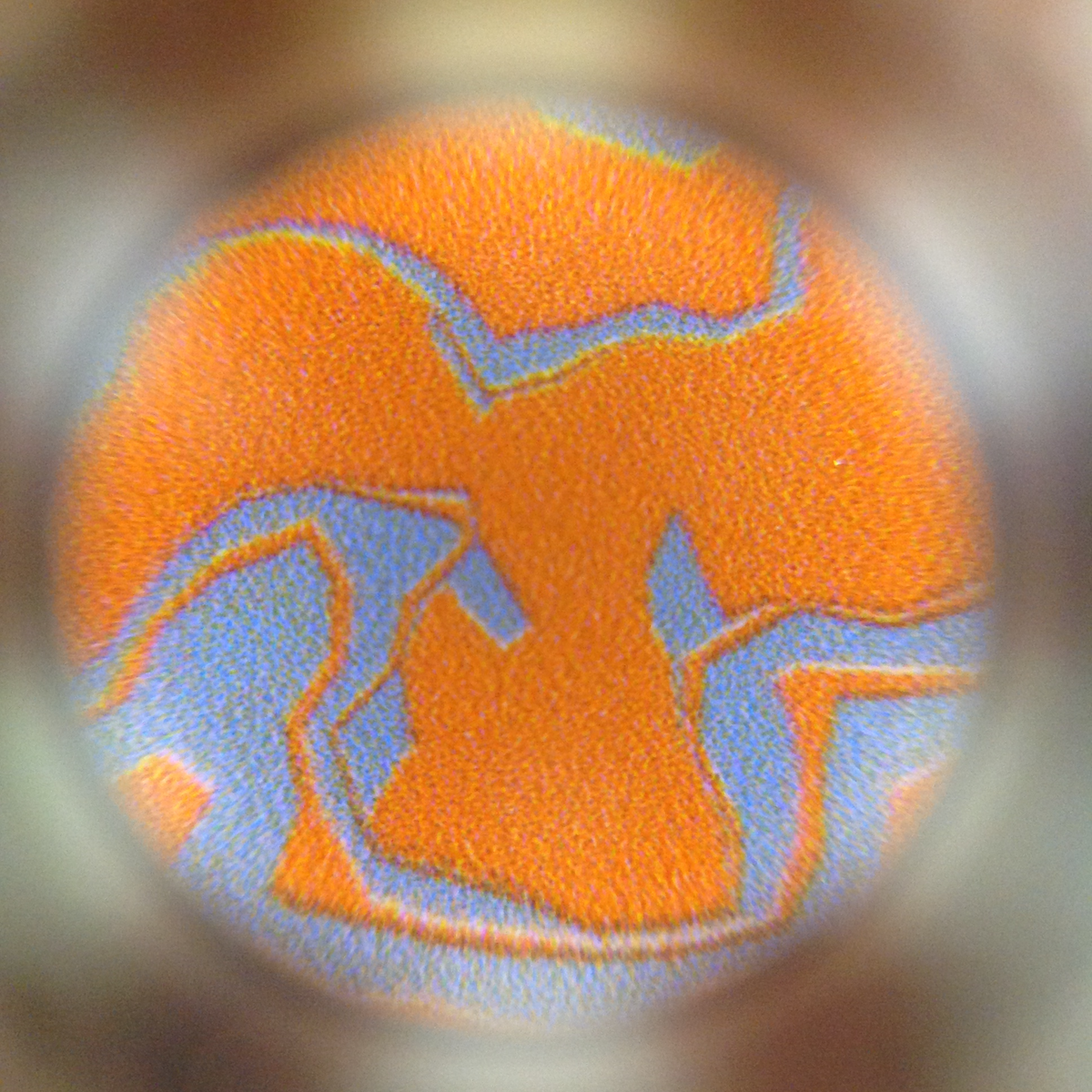 click photo for closeup
Koyman Galleries beautifully framed ShapeVision Art link
Summer 2025 - 100 Mile Arts Network Gallery, Wakefield
Hidden Treasure exhibited at all-summeer group show.
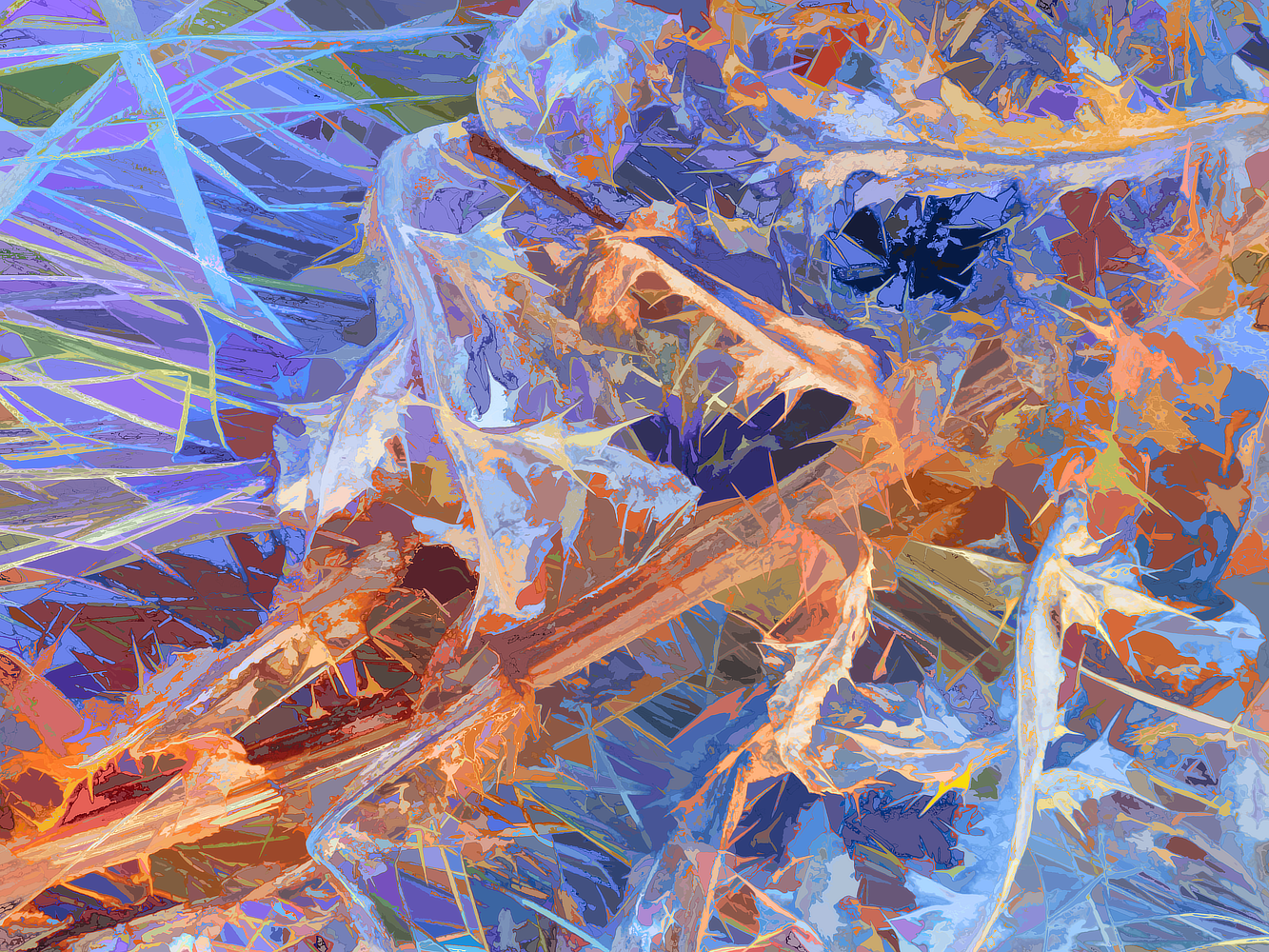
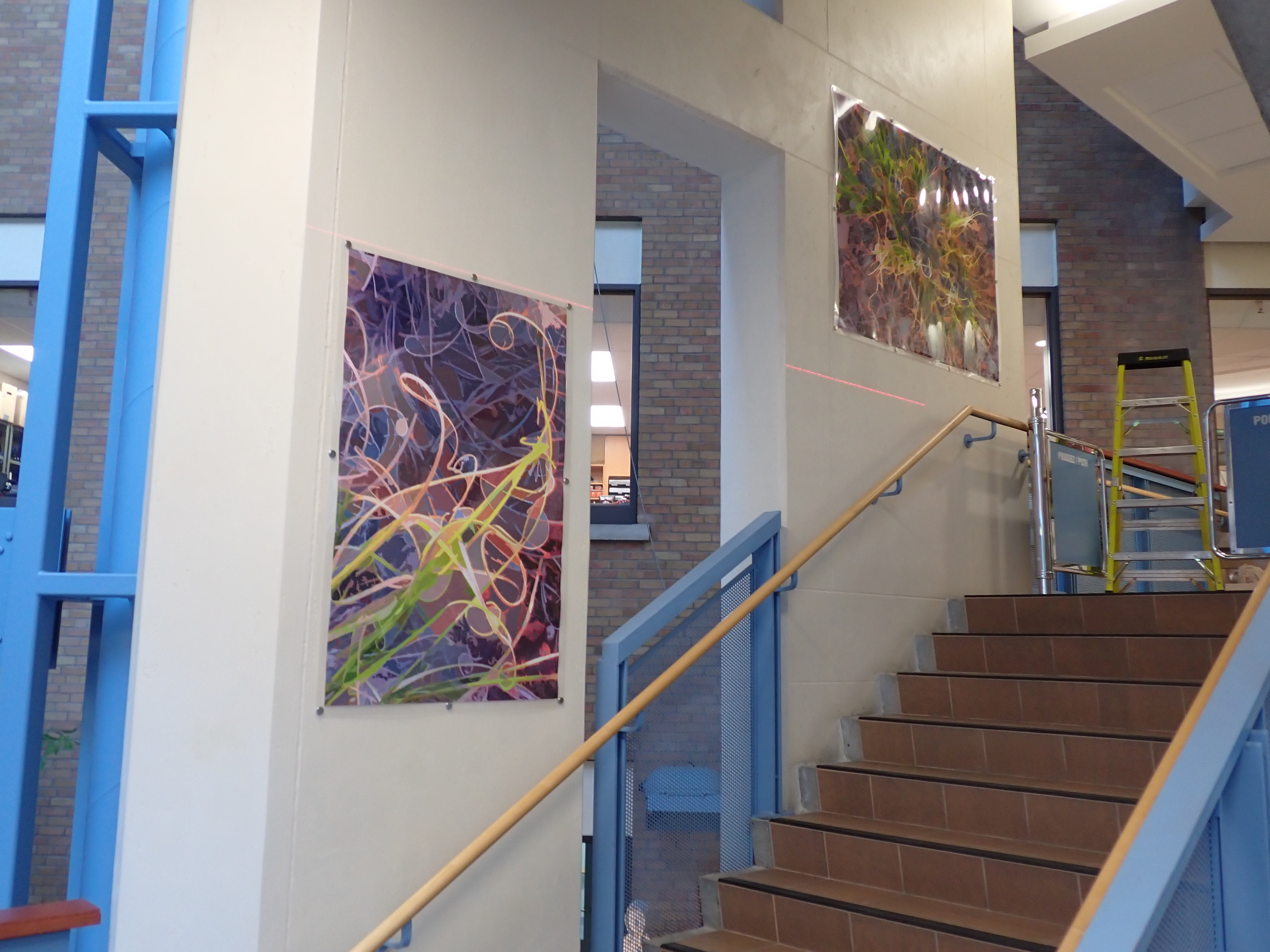
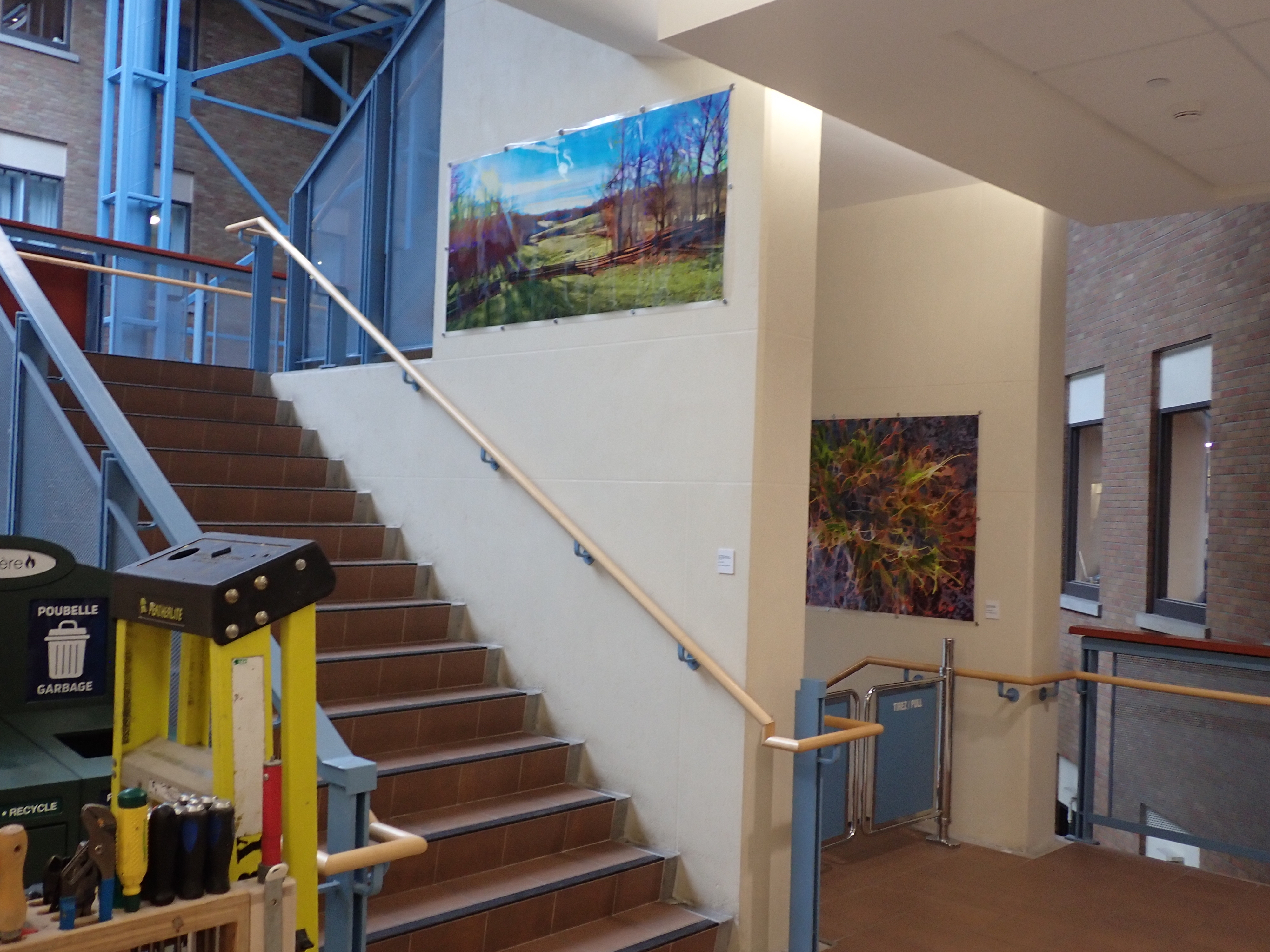
September 2022 - ongoing, Saint-Vincent Hospital, Ottawa
Six large pieces (3x5foot) for hospital patients and staff.
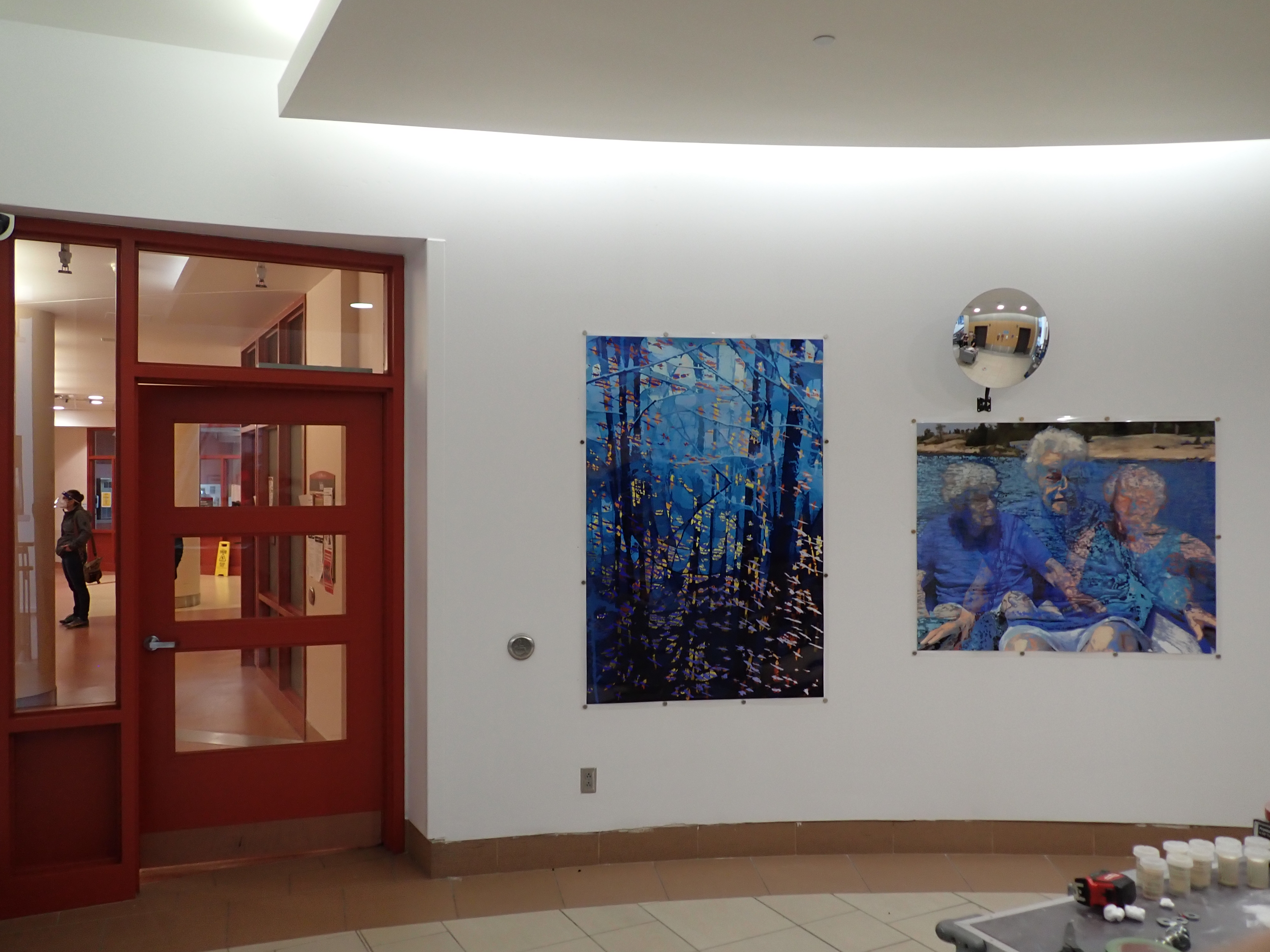
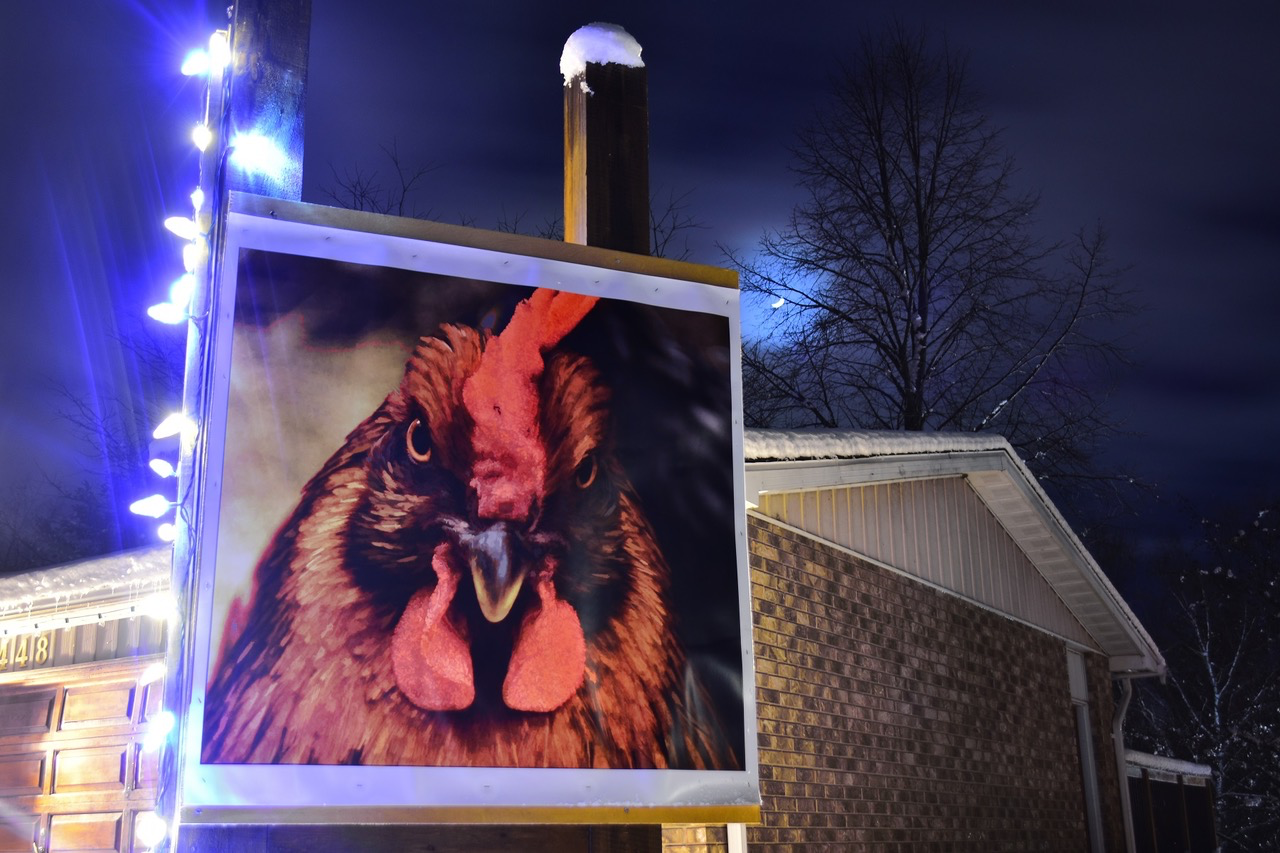
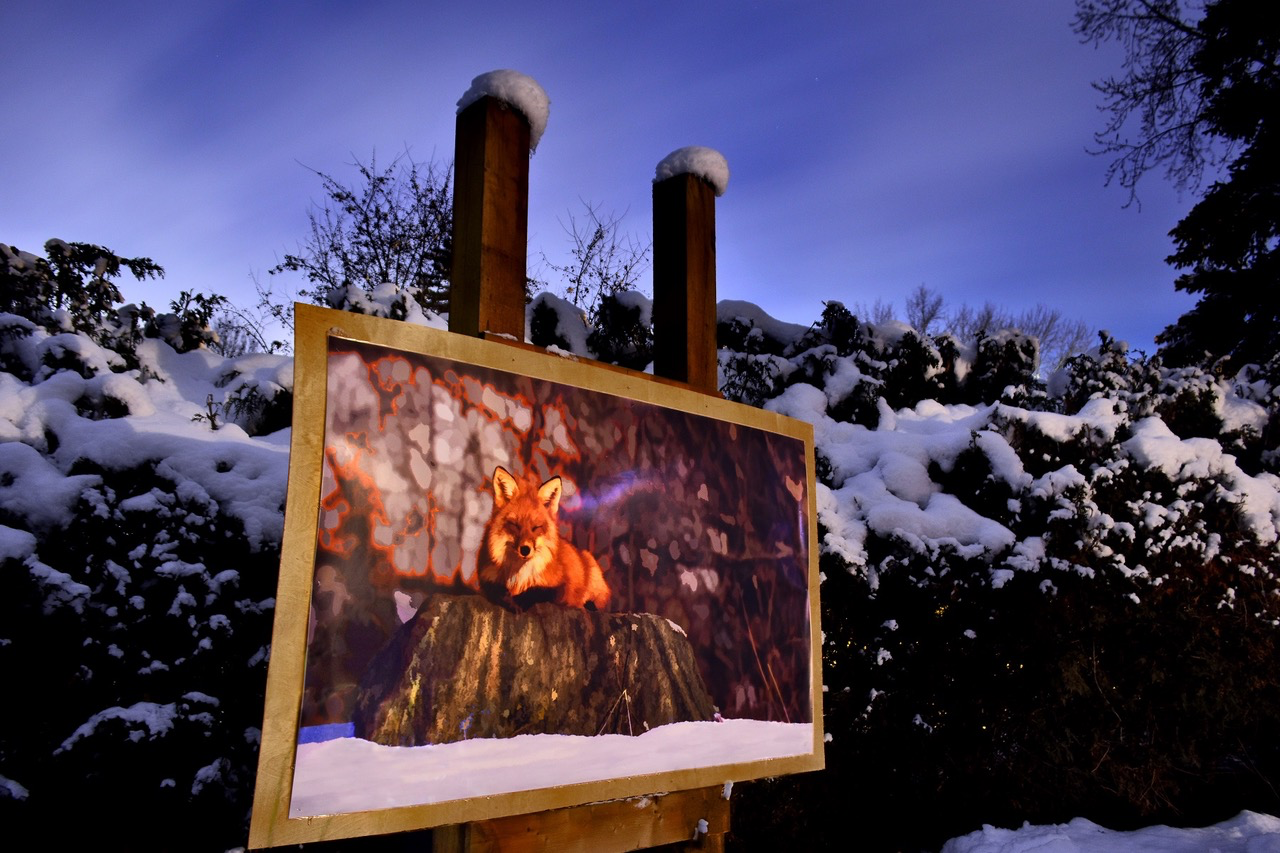
2020 - 2024 Pandemic Neighbourhood Art Hidden Shapes of Nature® in Manotick
Social art, convening neighbours to discuss art, life, and the universe.
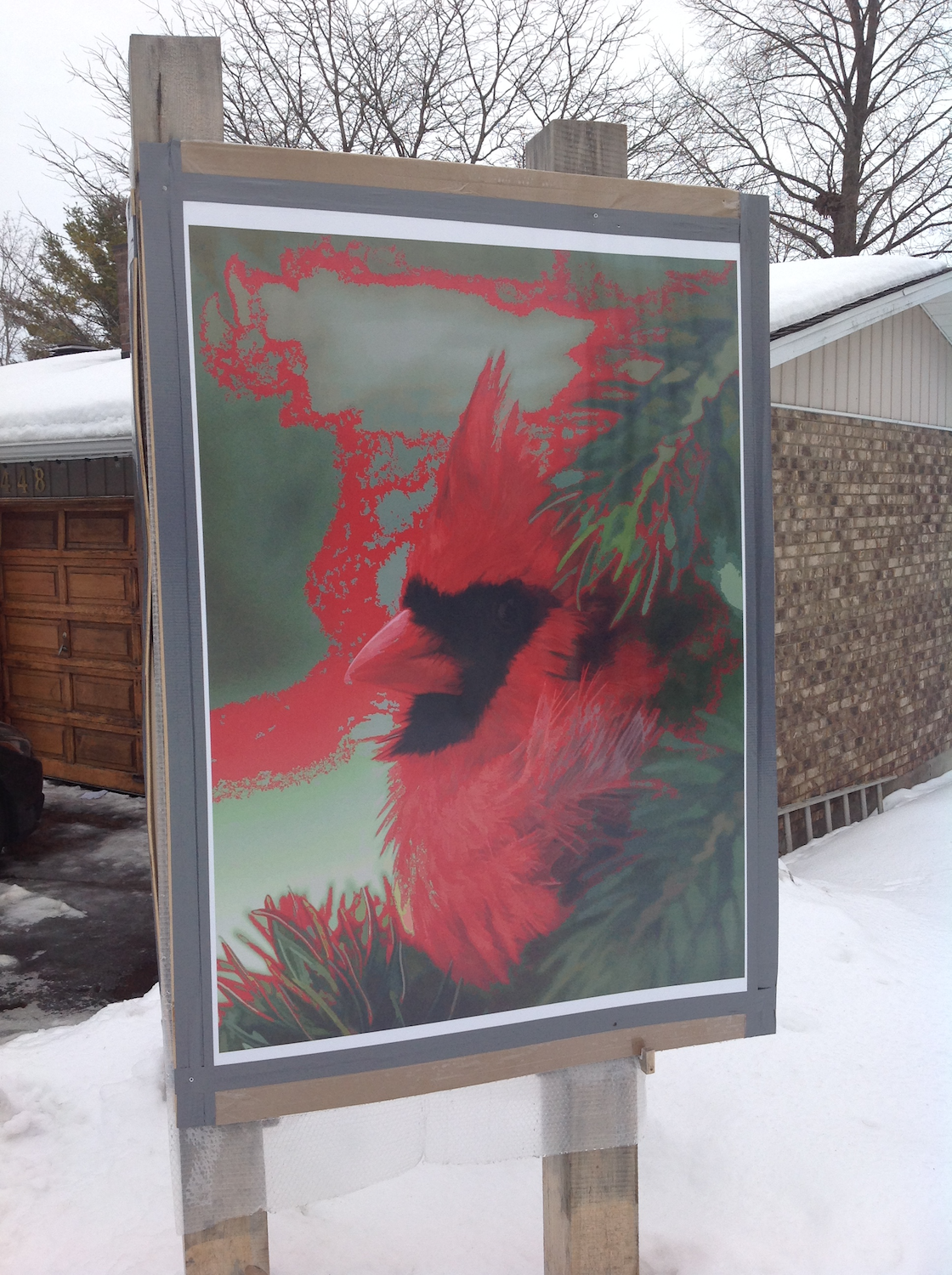
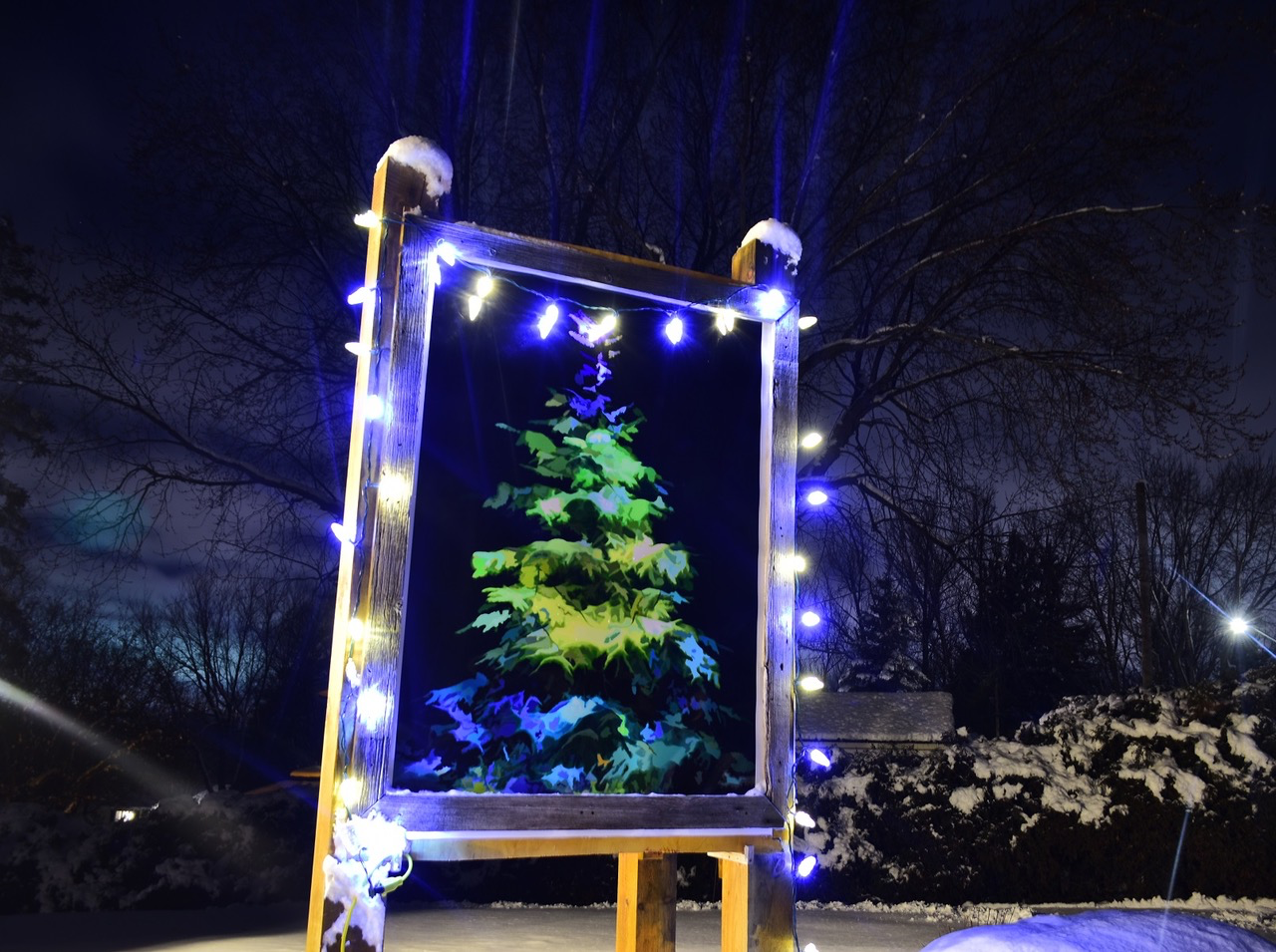
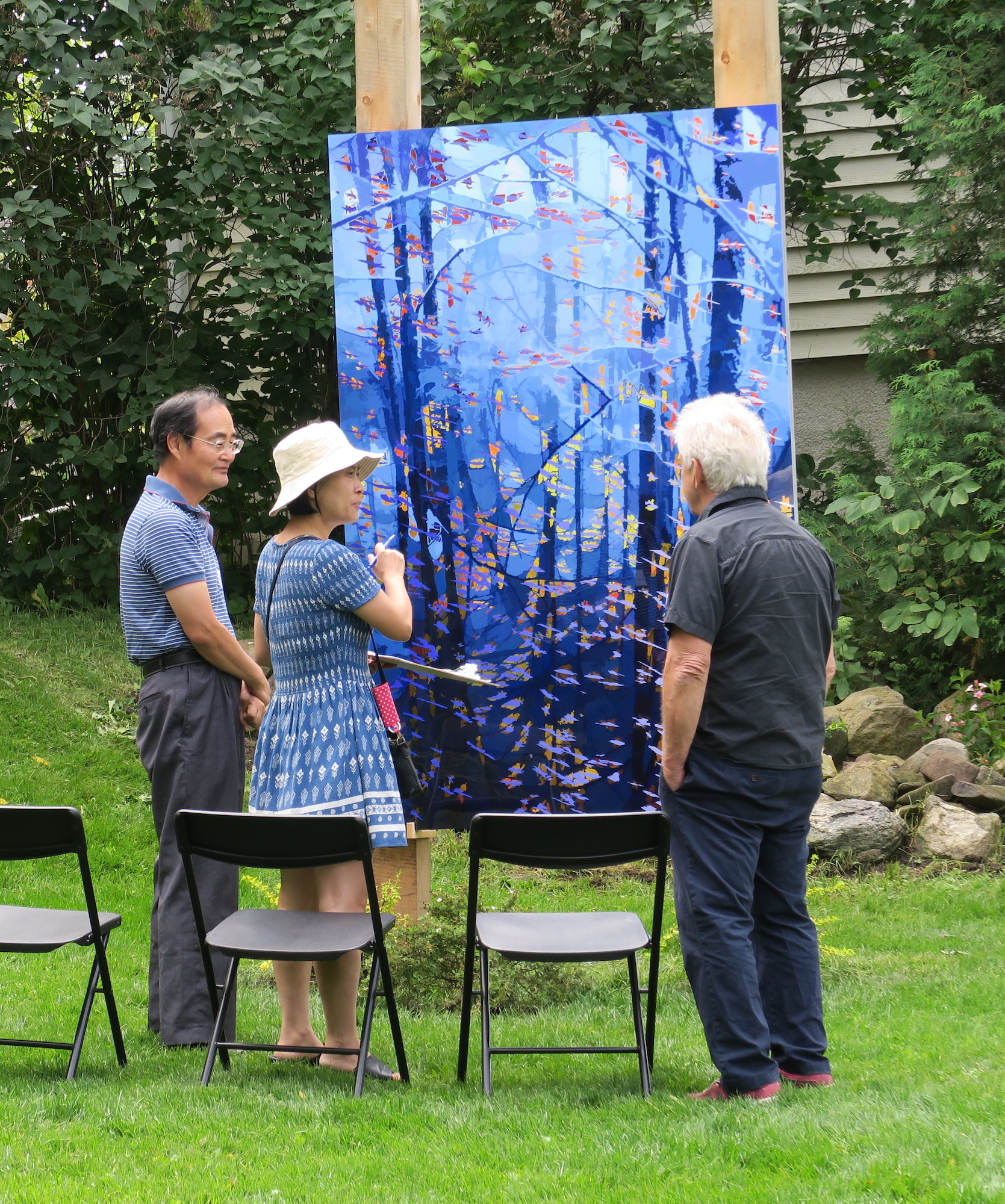
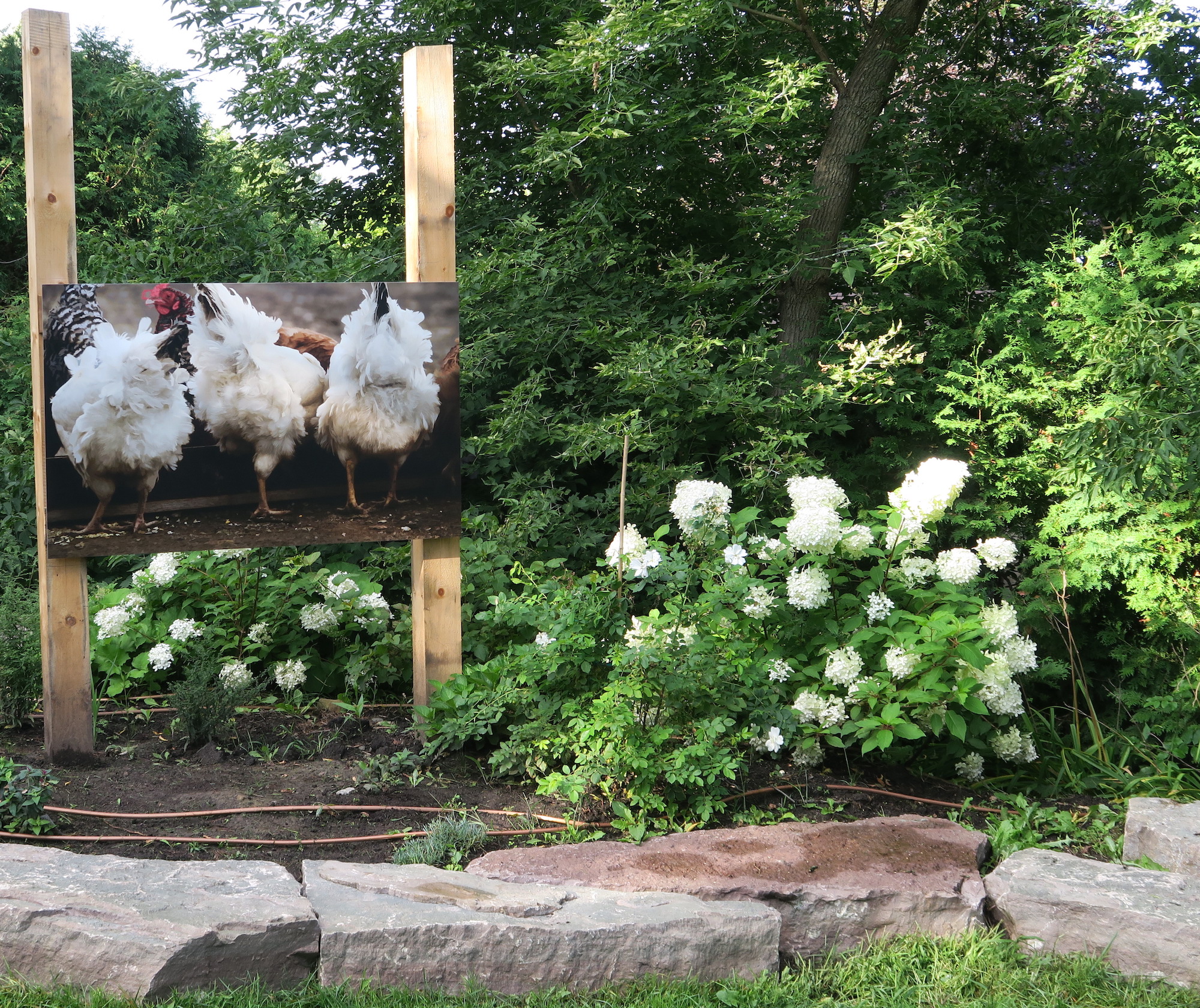
24 August 2019 Hidden Shapes of Nature® Outdoor Exhibition
One hundred guests, seven large pieces (3x5foot), fifteen smaller pieces (22x17inch), in a beautiful garden.
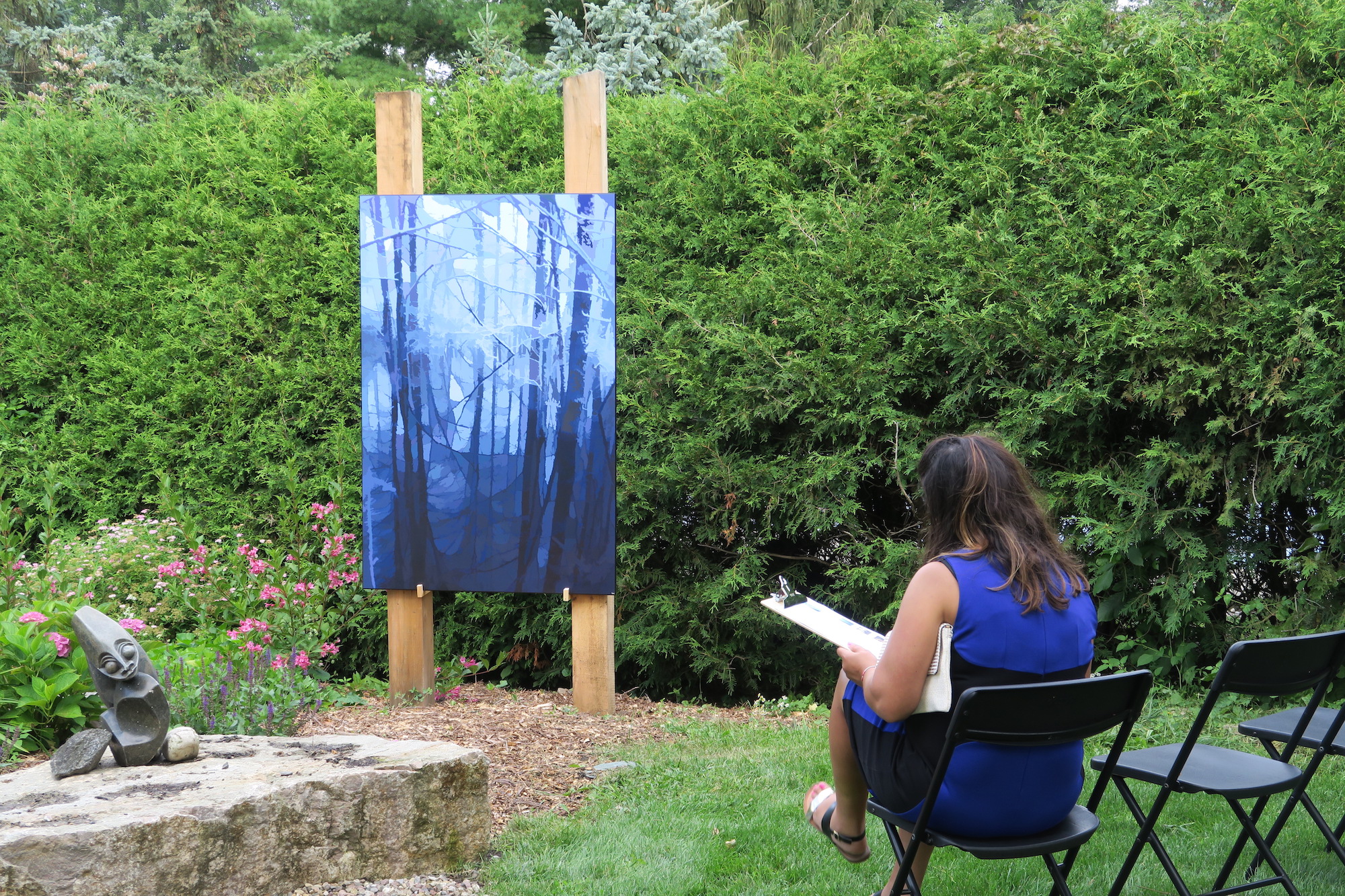
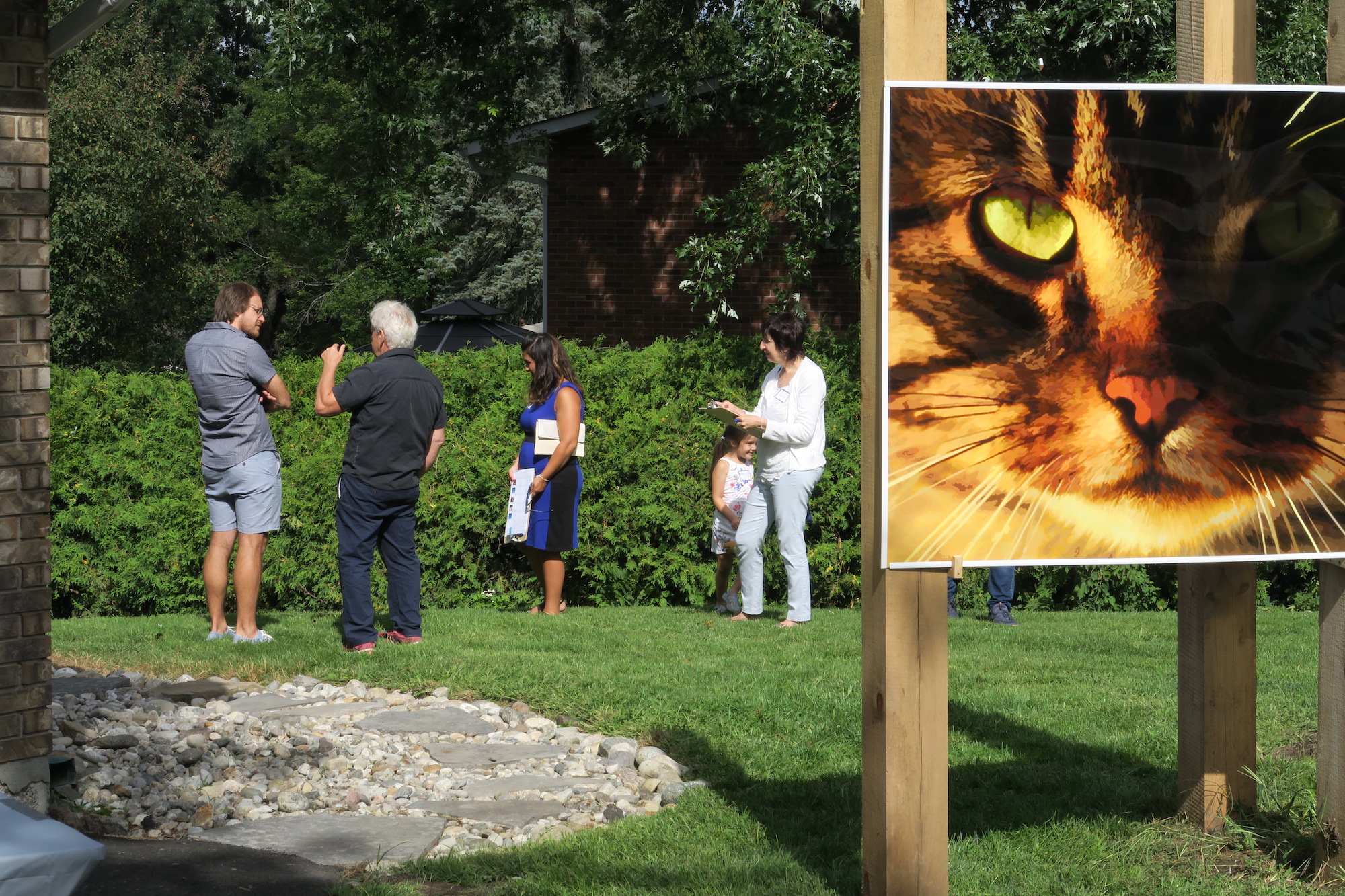
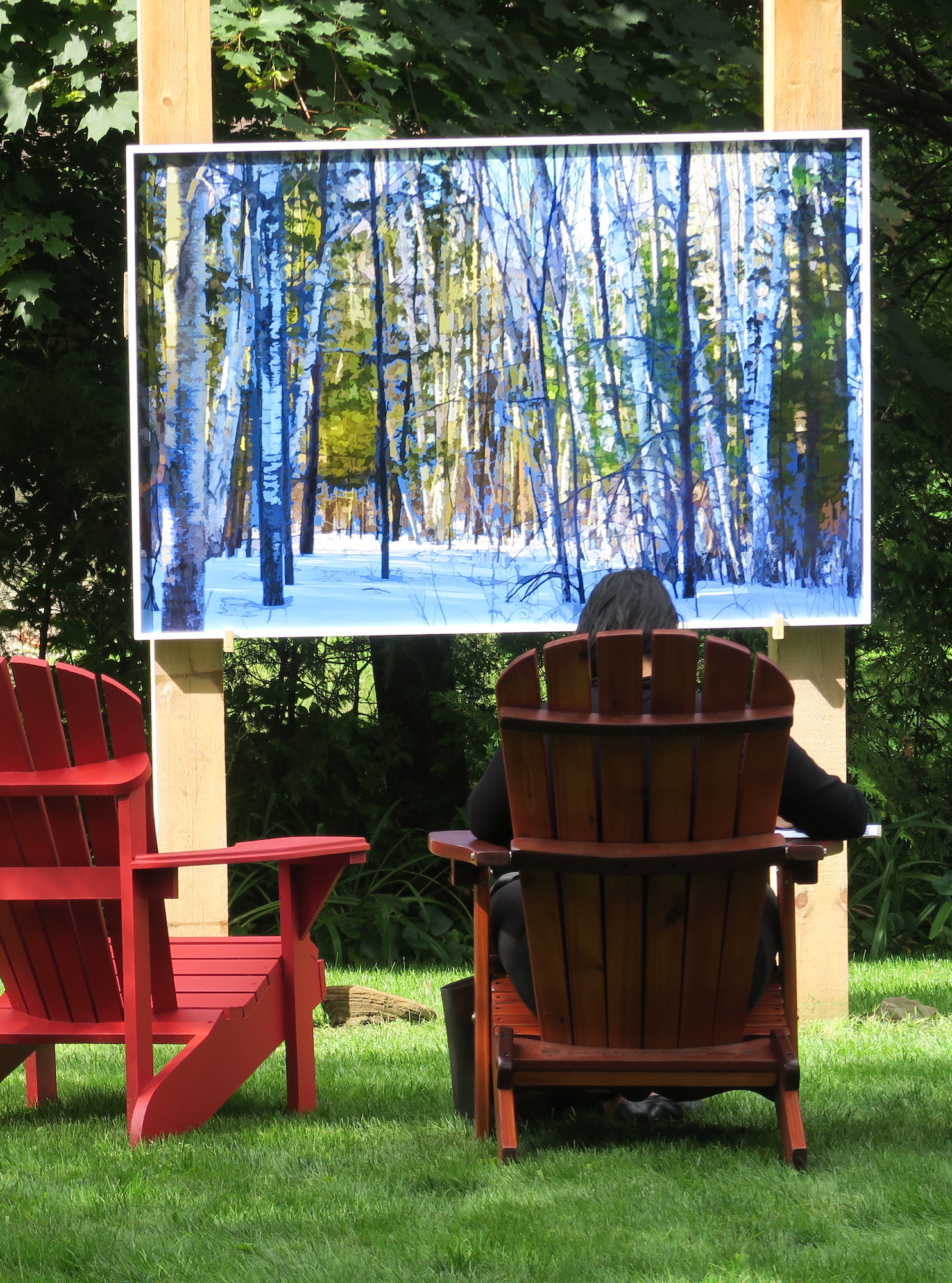
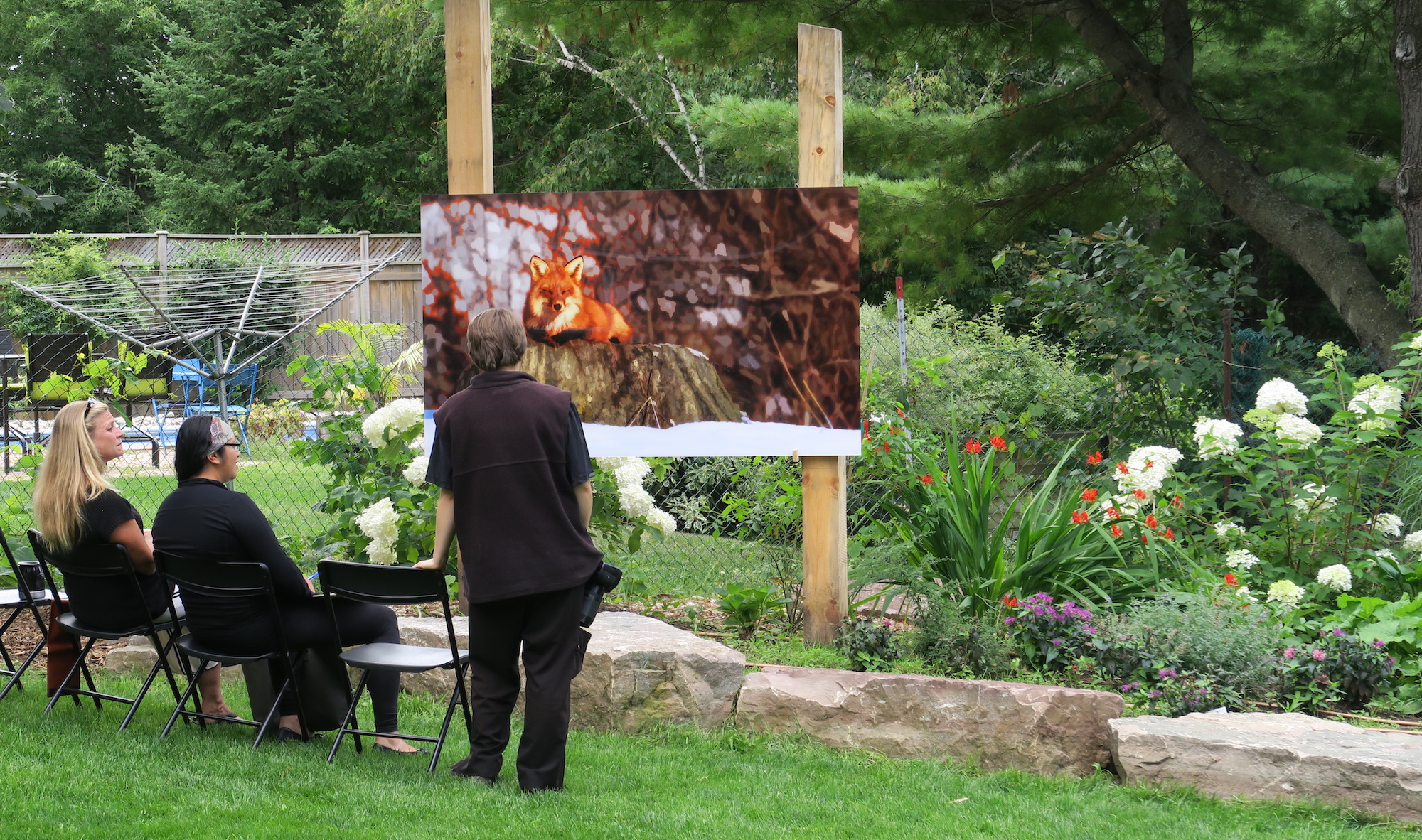
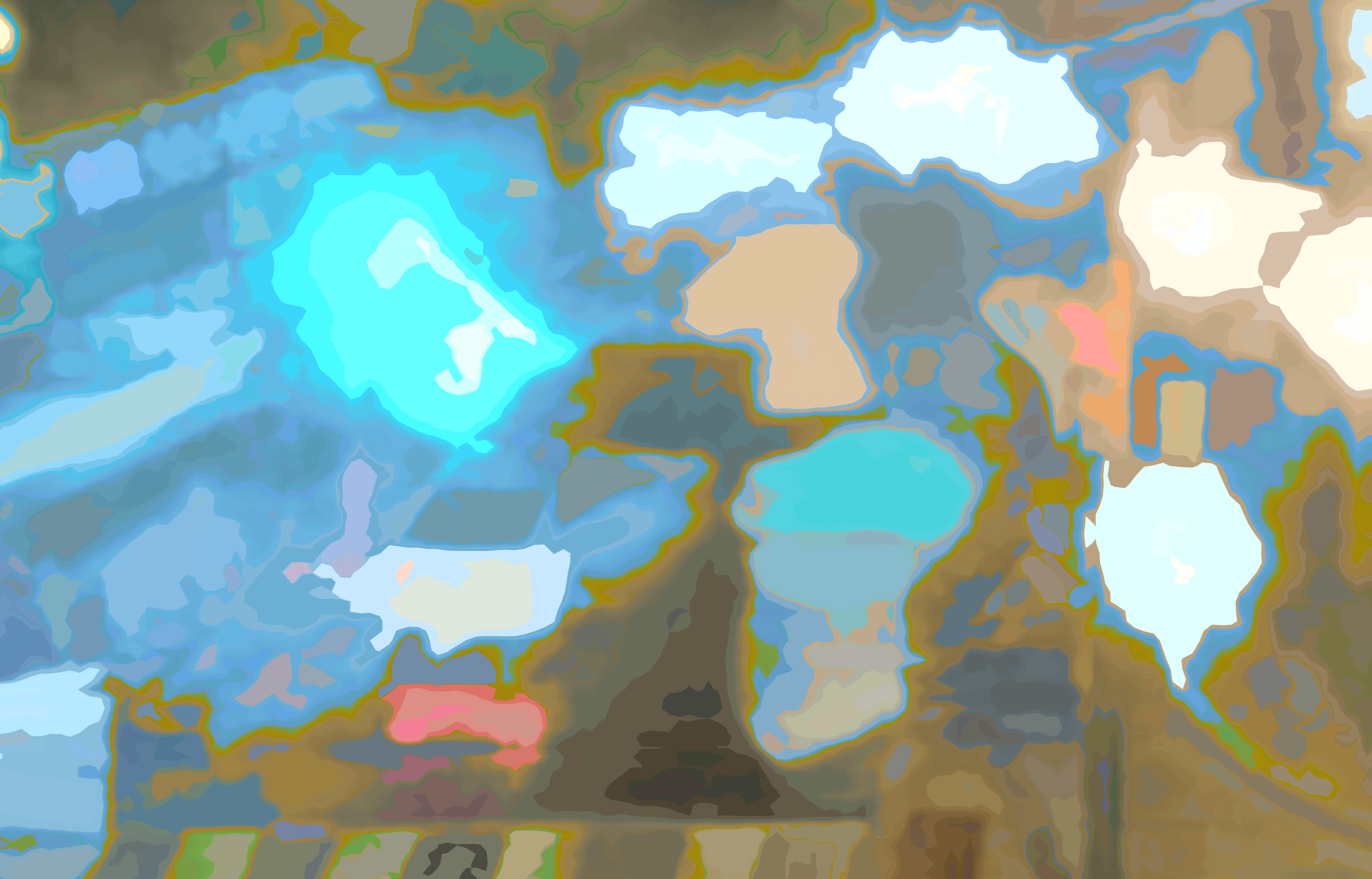 click picture for detail
Source photo courtesy City of Ottawa Open Data.
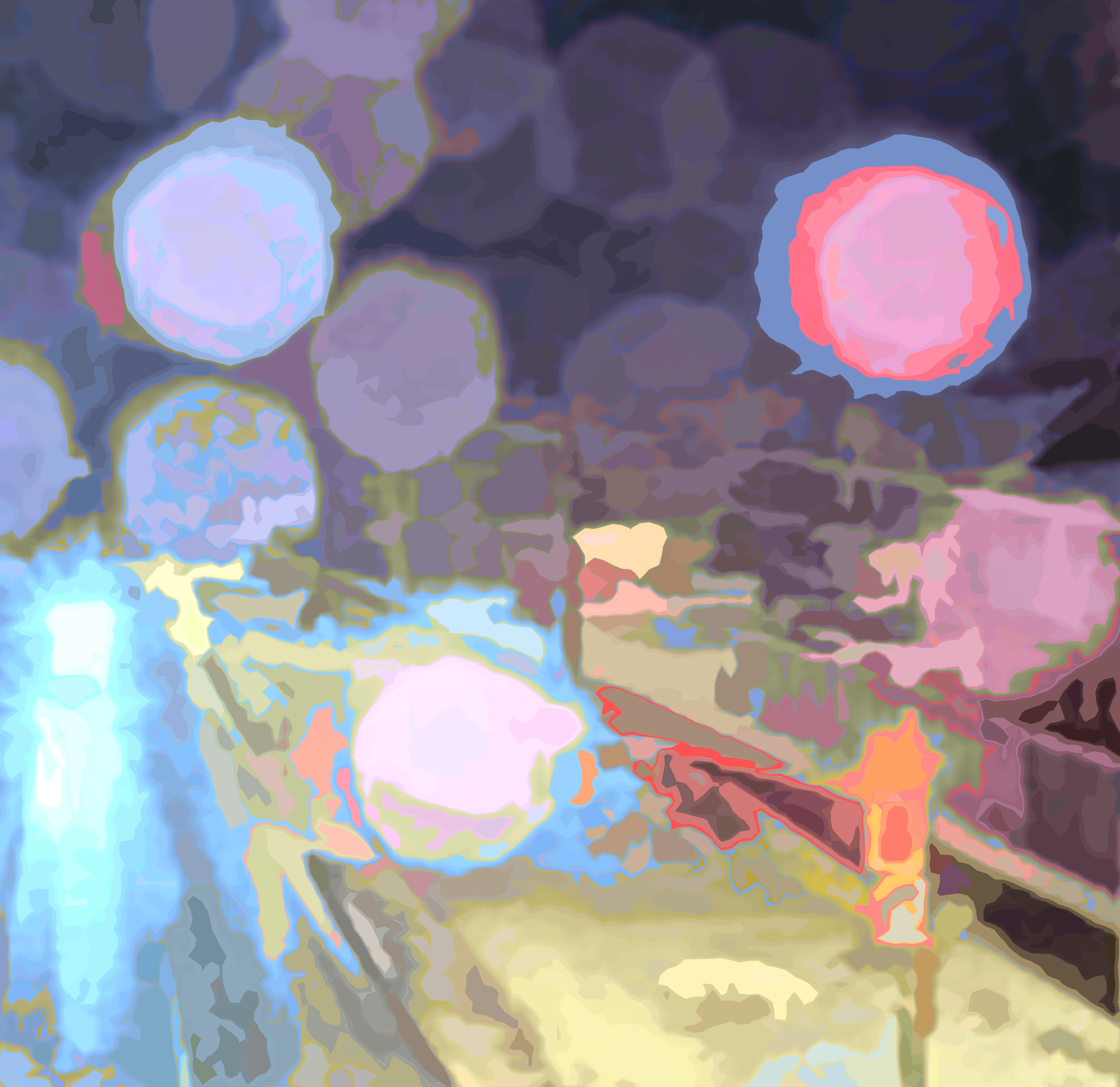 click picture for detail
Source photo courtesy City of Ottawa Open Data.
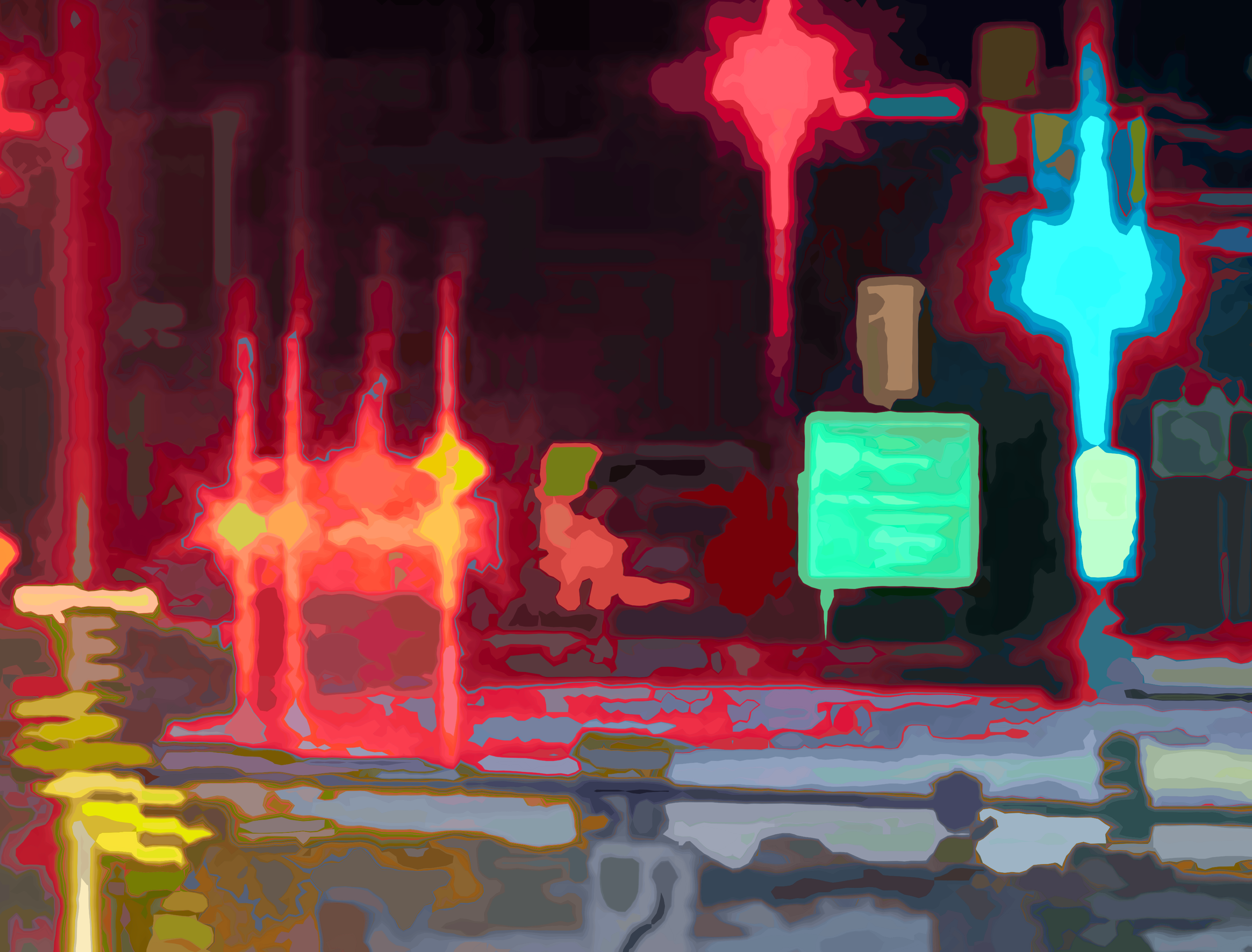 click picture for detail
Source photo courtesy City of Ottawa Open Data.
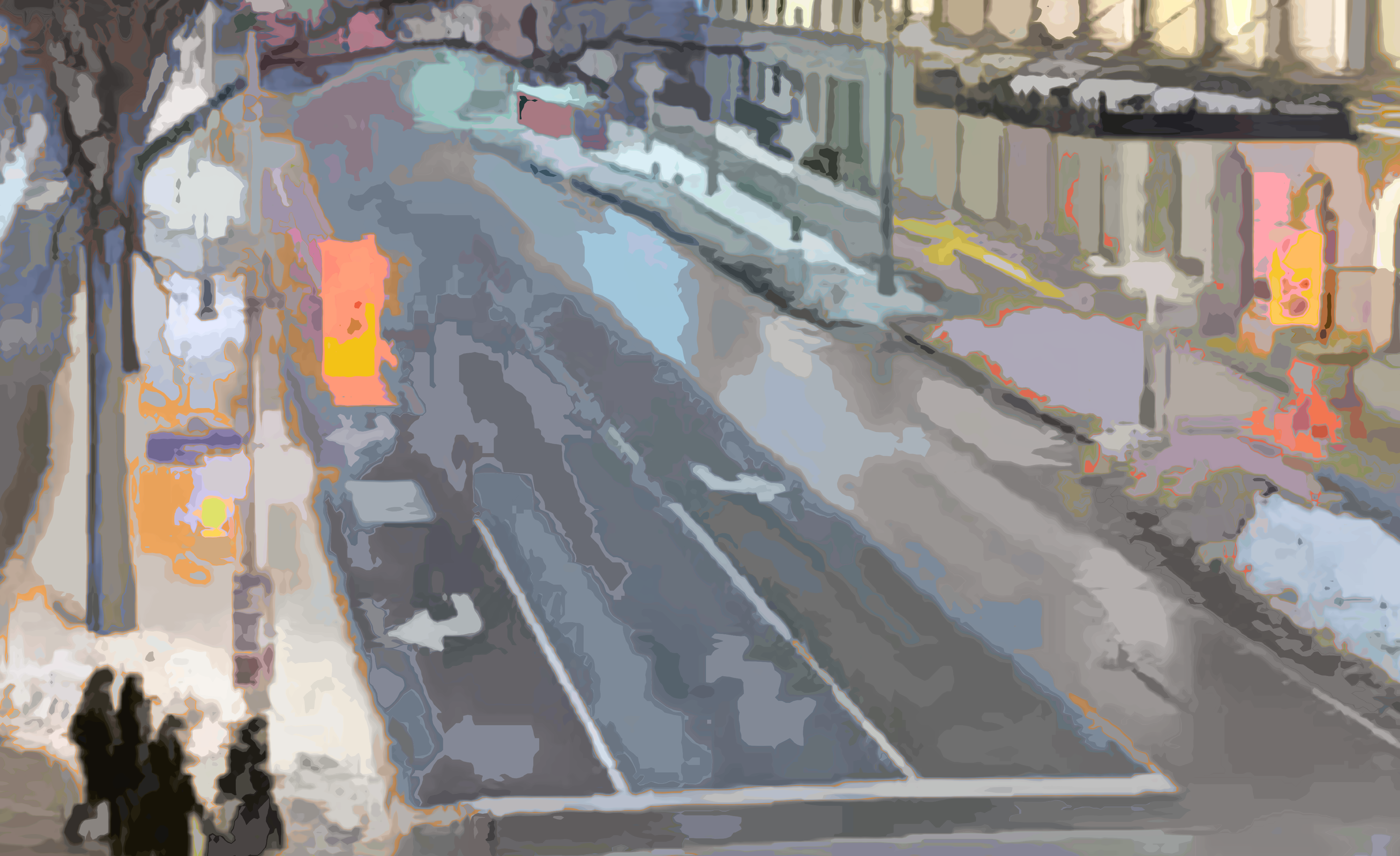 click picture for detail
Source photo courtesy City of Ottawa Open Data.
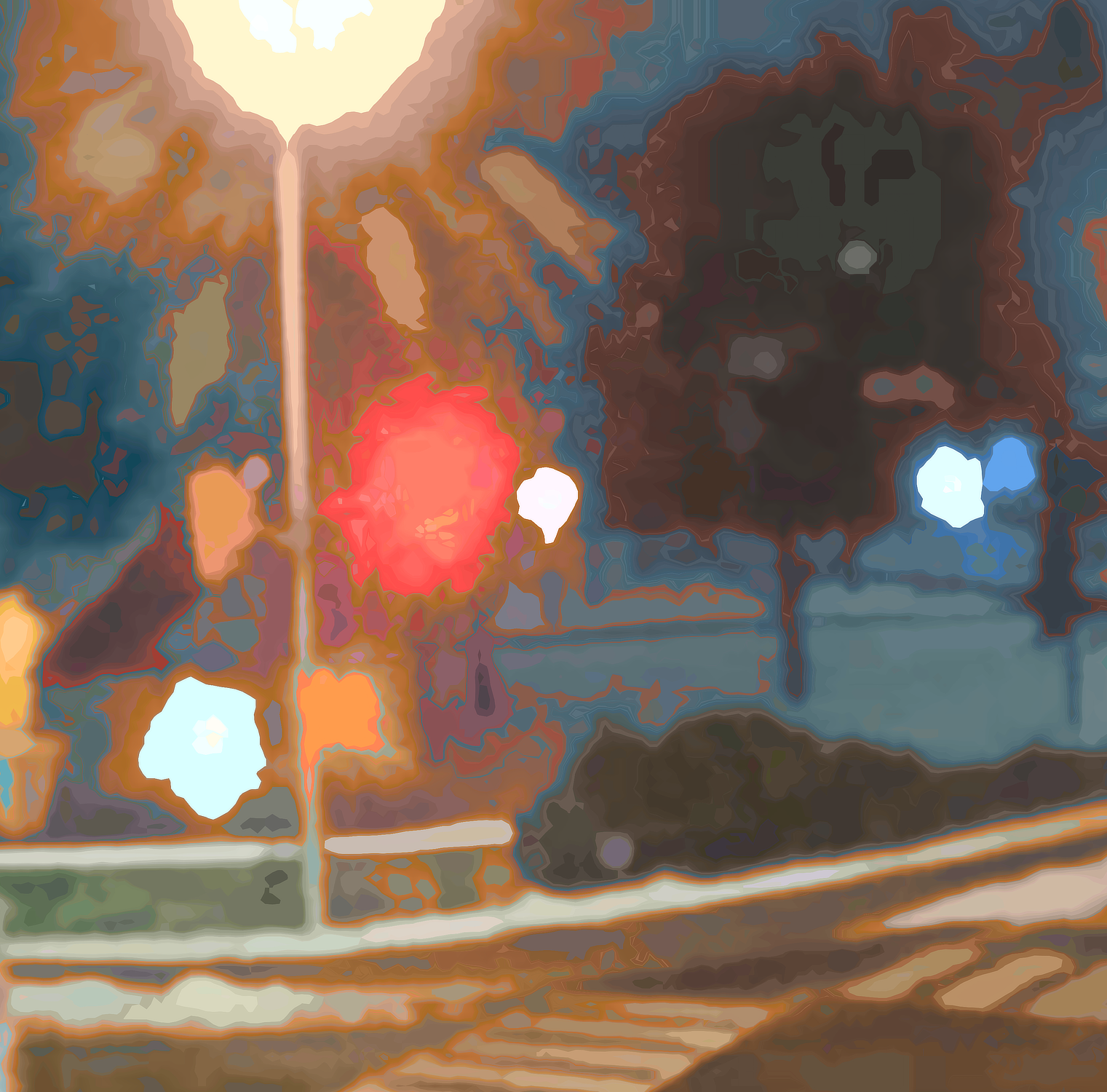 click picture for detail
Source photo courtesy City of Ottawa Open Data.
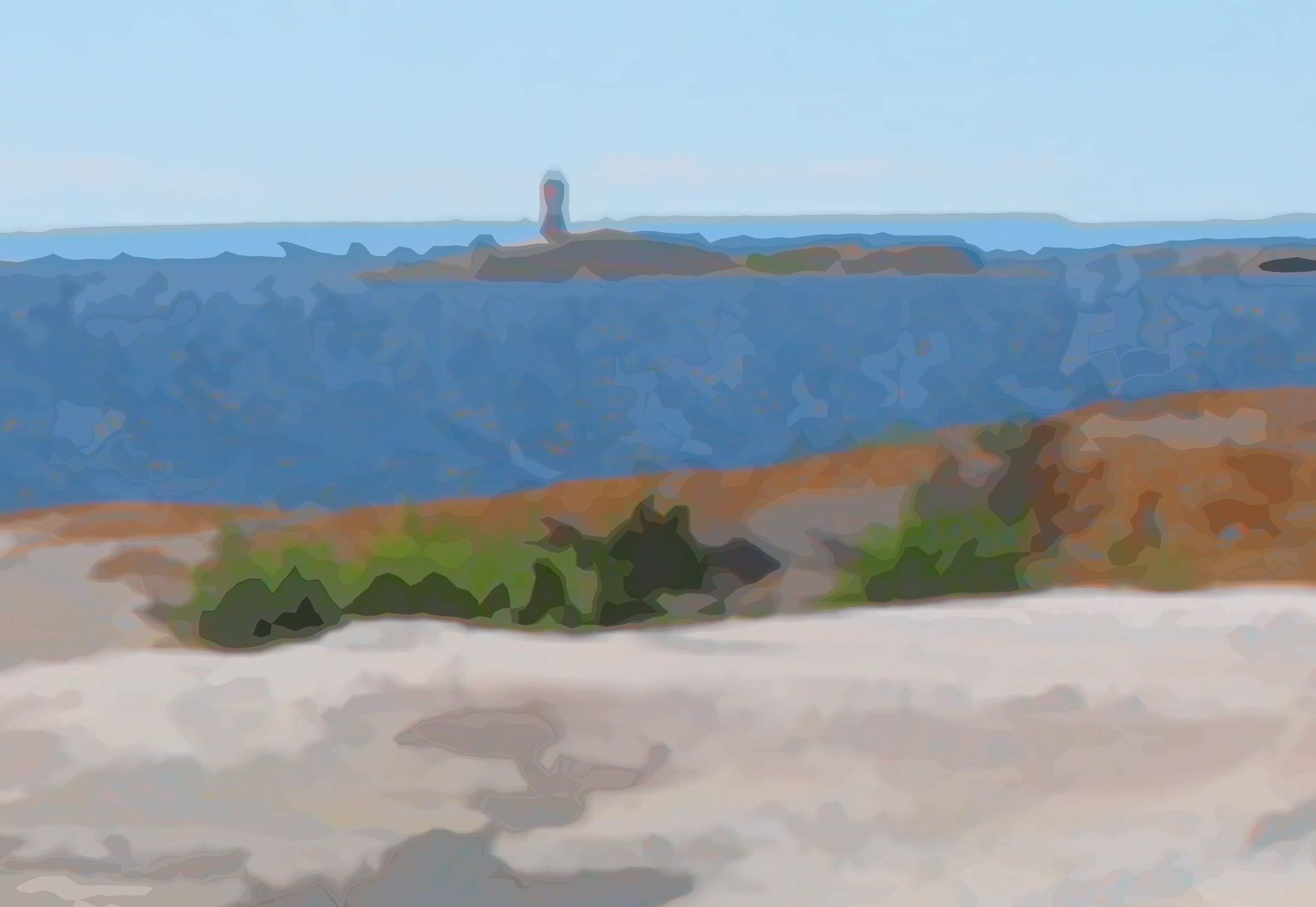 click picture for detail
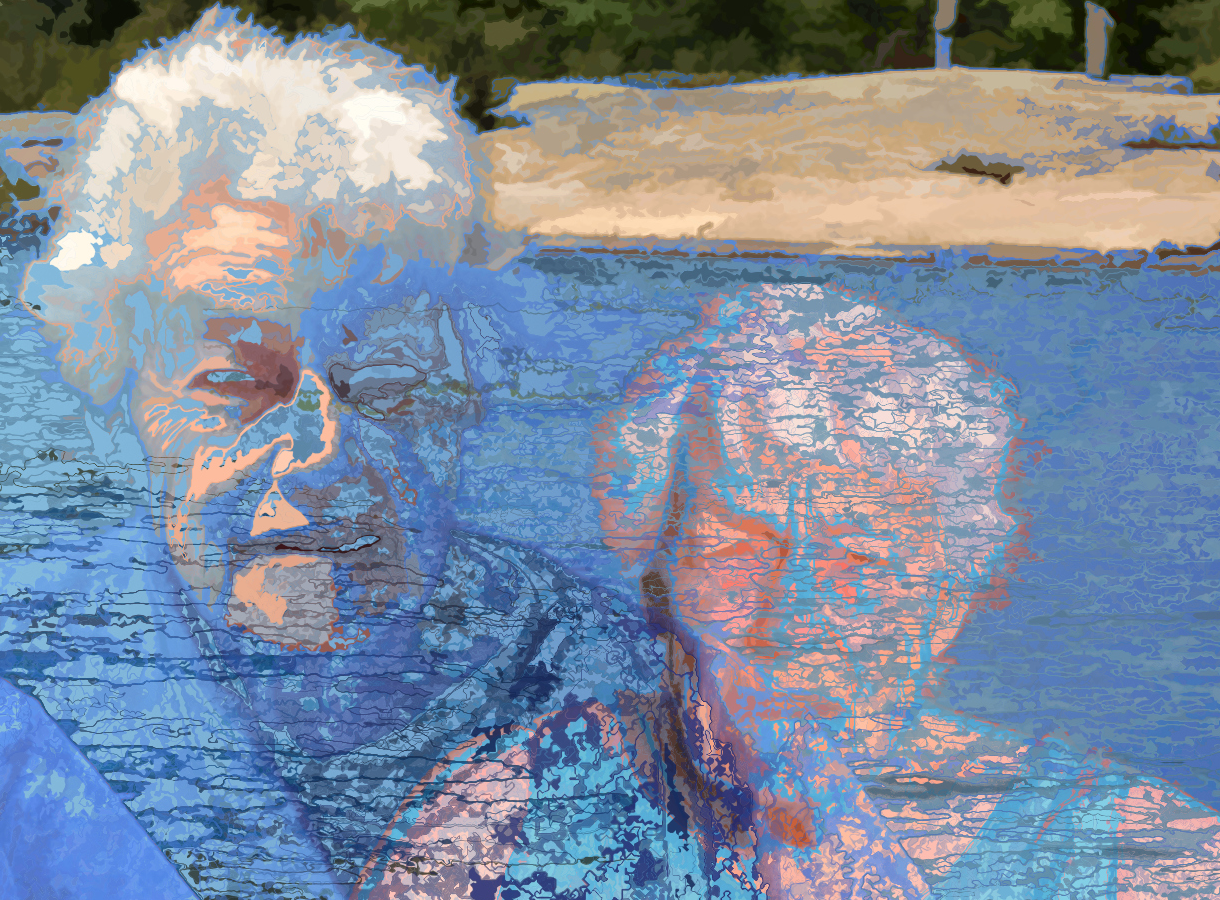 click picture for detail
 click picture for detail
 click picture for detail
 click picture for detail
 click picture for detail
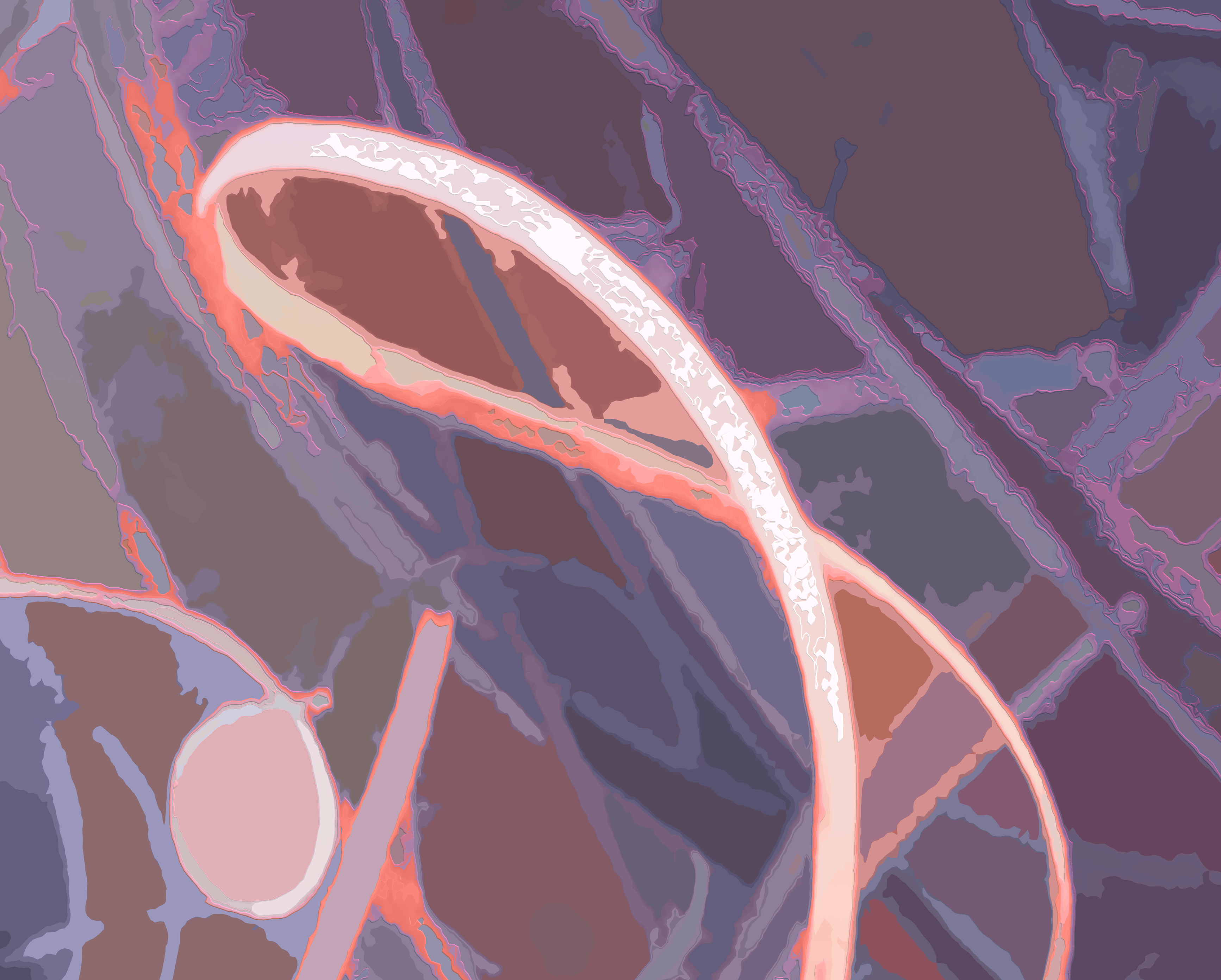 click picture for detail
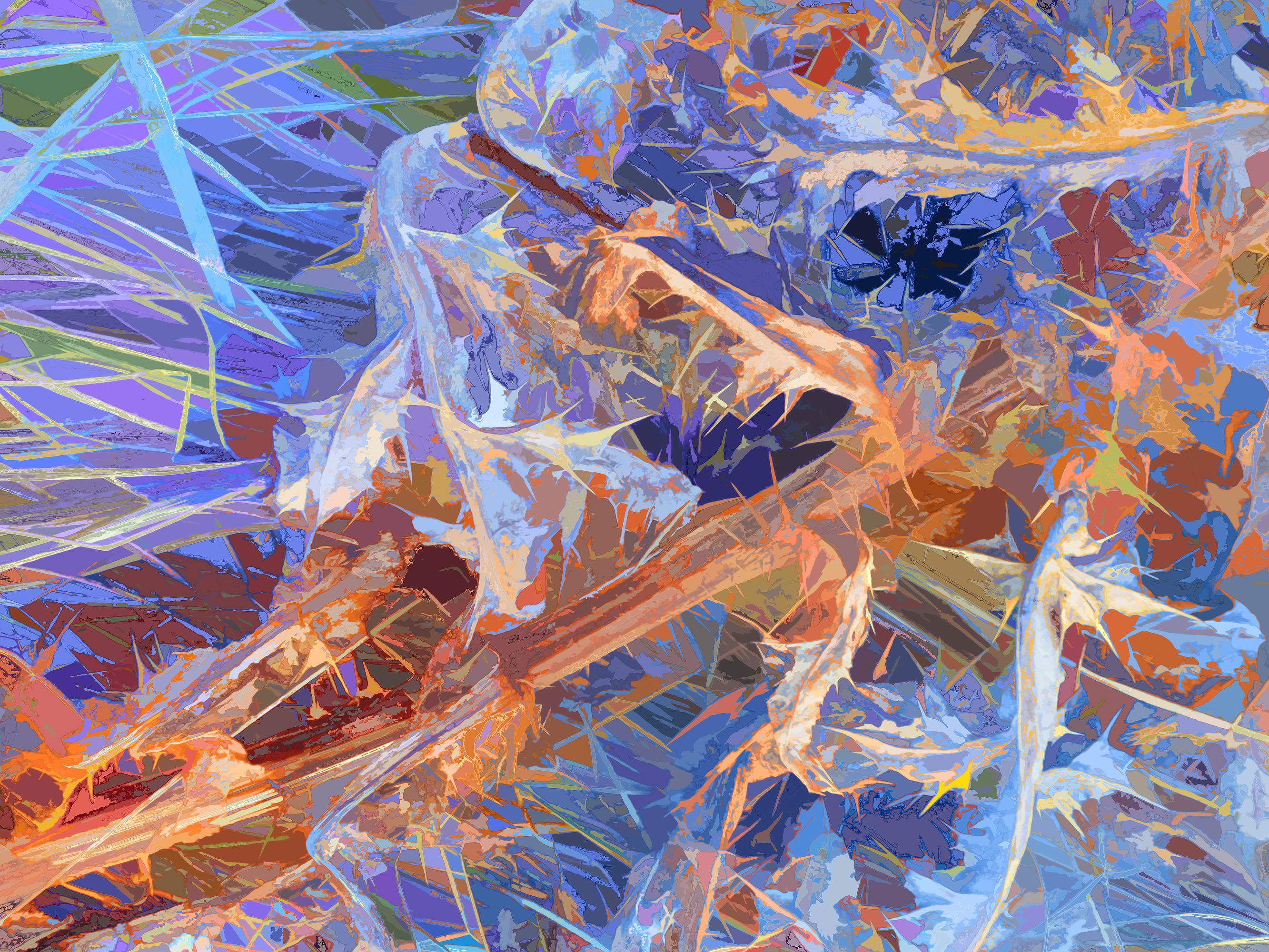 click picture for detail